
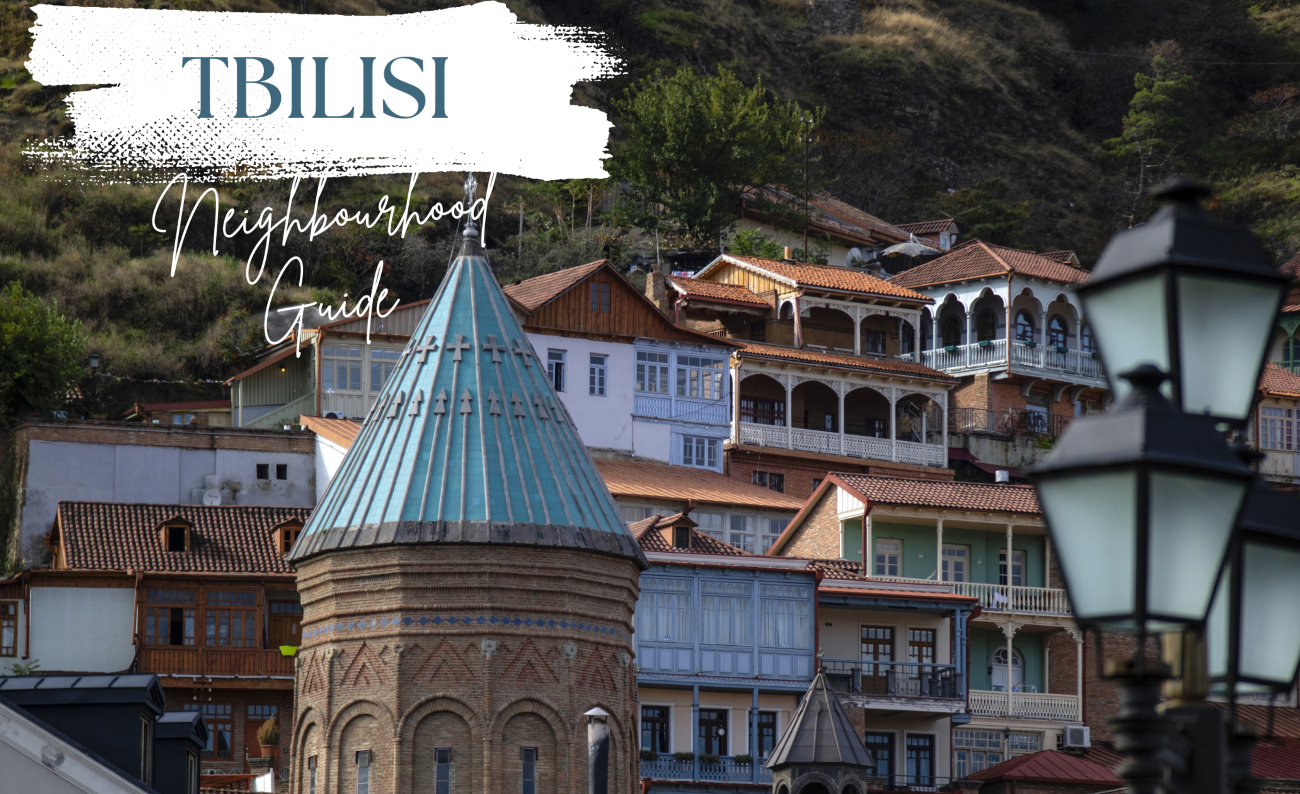
Tbilisi is not really a city where one neighbourhood feels exactly like another. A few streets can completely change the atmosphere – from the narrow lanes and old balconies of the Old Town to the leafy streets of Vake or the cafés and wine bars of Vera.
Some areas are perfect if it is your first time in Georgia and you want to be close to the main sights. Others are better if you have a few extra days and would rather stay somewhere quieter and more local.
If you are wondering where to start, our Tbilisi neighbourhood guide 2026-2027 will help you understand the main districts, what they feel like, where to eat, and what to expect when you actually get there.
And if you are visiting Tbilisi as part of a larger Georgia or Caucasus trip, you can also explore our Georgia tours and car rental options for travelling beyond the capital.
Tbilisi is smaller and easier to explore than it may look on a map. The main historic centre – from the Old Town up towards Rustaveli Avenue – can be explored on foot, although some parts of the city are quite hilly.
The Mtkvari (Kura) River runs through the city and helps you get your bearings. The Old Town, Sololaki and Avlabari are around the historic centre, while Vera and Vake stretch further west.
Getting around is generally easy. Tbilisi has two metro lines, buses, and plenty of app-based taxis. Bolt and Yandex Go are both commonly used, and a taxi ride across the central areas is usually inexpensive.
Tbilisi neighbourhoods in short:
Old Town (Dzveli Tbilisi) — historic streets, sulphur baths, Narikala Fortress and the classic Tbilisi atmosphere.
Sololaki — beautiful old buildings, quiet streets, courtyards and a more residential feel.
Mtatsminda — hillside streets, panoramic views, the funicular and a slower pace.
Rustaveli Avenue — museums, theatres, grand buildings and the cultural centre of the city.
Vera — leafy streets, cafés, wine bars and a relaxed local atmosphere.
Vake — green, comfortable and more upscale, with Vake Park and many good restaurants.
Marjanishvili / Chugureti — cafés, wine bars, street art, nightlife and a younger local atmosphere.
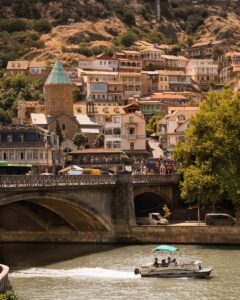
Avlabari — across the river from the Old Town, with Metekhi Church, Sameba Cathedral and fewer tourists.
Getting around: A taxi across central Tbilisi generally costs around 8–15 GEL.
Currency: Georgian Lari (GEL). 1 GEL is approximately $0.38 / €0.34.
The Best Neighbourhoods in Tbilisi
- Old Town (Dzveli Tbilisi) – The classic Tbilisi experience
If this is your first trip to Tbilisi, there is a good chance you will spend a lot of time in the Old Town-and for good reason.
This is the part of the city most visitors picture when they think of Tbilisi: narrow streets, old wooden balconies, hidden courtyards, sulphur bathhouses in Abanotubani and Narikala Fortress looking down from the hill.
The architecture is one of the things that makes the area special. Georgian, Persian, Ottoman, Russian and European influences have all left their mark here, and you can see churches, a mosque and a synagogue within a relatively small area.
The Old Town is also the busiest part of Tbilisi. Streets such as Shardeni and Leselidze can get very crowded during the summer months, and some restaurants here are aimed more at visitors than locals.
Our advice? Don’t judge the Old Town only by its busiest streets. Get up early, explore the smaller lanes, or come back in the evening after most day visitors have left.
Best for: First-time visitors, history and architecture lovers, and short stays of 2-3 days.
Keep in mind: It can be noisy and busy in high season, especially around the main streets.
Local tip: Walk towards Narikala around sunset. The climb is steep in places, but the views over the Old Town and Mtkvari River are worth it. Afterwards, walk back down through Abanotubani and consider having a traditional sulphur bath.
- Sololaki – Old Tbilisi without quite as many tourists
Just uphill from the Old Town, Sololaki is one of our favourite areas for simply walking around without a particular destination.
The neighbourhood is full of 19th-century houses and old apartment buildings. Some have been beautifully restored; others are still showing their age, which is part of the charm.
You will find ornate balconies, old entrances, unexpected courtyards and quiet residential streets. It feels much more like a neighbourhood where people actually live than some parts of the Old Town.
Sololaki is also a good compromise for visitors who want to be close to the main sights but would rather not stay right in the middle of the tourist crowds.
The main thing to remember is the hills. Some streets are quite steep, especially as you get closer to Mtatsminda.
Best for: Architecture lovers, photographers and travellers who want a quieter base close to the centre.
Keep in mind: The hills can be tiring, particularly if you have heavy luggage.
Local tip: Take a slow walk along Kiacheli Street. It is one of those streets that is easy to miss if you are only following the main tourist routes.
- Mtatsminda – For views, fresh air and a quieter side of Tbilisi
Mtatsminda climbs the hillside above Sololaki and is best known for its funicular, Mtatsminda Park and panoramic views across the city.
This is not the neighbourhood we would choose if your main priority is being surrounded by restaurants and nightlife. Instead, it is a good option if you enjoy quieter streets, views and a little distance from the busy centre.
The Pantheon is also here, a hillside cemetery where many important Georgian writers, artists and public figures are buried.
The funicular makes getting up the hill much easier, although walking back down is considerably easier than walking up.
Best for: City views, quieter stays and travellers interested in the Pantheon and Mtatsminda.
Keep in mind: The hills are real. If you want to walk everywhere, this may not be the easiest base.
Local tip: Take the funicular in the late afternoon and stay until sunset. Watching Tbilisi light up below you is one of our favourite city experiences.
- Rustaveli Avenue & Surroundings – Museums, theatres and the grand side of Tbilisi
Rustaveli Avenue is the main boulevard of central Tbilisi rather than a traditional neighbourhood.
It stretches from Freedom Square towards Rustaveli Metro Station and is lined with some of the city’s most recognisable buildings, including the Georgian National Museum, the Opera and Ballet Theatre and Rustaveli Theatre.
If you are interested in Georgia’s history, culture and architecture, this is a convenient area to explore.
Don’t only stay on the avenue itself, though. Some of the more interesting places are on the surrounding streets. The Dry Bridge area, for example, is home to Tbilisi’s famous flea market, where you can browse old Soviet objects, jewellery, artwork and all sorts of unexpected finds.
Best for: Museum lovers, culture-focused travellers and visitors who want a central location.
Keep in mind: Rustaveli can feel busy and commercial, so it is not the best choice if you are looking for a quiet residential atmosphere.
Local tip: Visit the Dry Bridge market in the morning, especially on weekends. Go early if you want to see the widest selection.
- Vera – Cafés, courtyards and a relaxed local atmosphere
Vera is one of those Tbilisi neighbourhoods that is easy to fall in love with after spending a few days here.
It sits between Rustaveli and Vake and has a pleasant mix of leafy streets, old apartment buildings, small cafés, wine bars and hidden courtyards.
There is less of the “must-see attraction” feeling here, which is exactly why many visitors enjoy it. You can have breakfast in a small café, walk through residential streets, stop for Georgian wine and simply see what you discover.
Vera is also home to some excellent restaurants. Barbarestan, on the Vera–Vake side, is particularly well known for its menu inspired by a 19th-century Georgian cookbook.
Best for: Longer stays, coffee lovers, and travellers who want to experience a more everyday side of Tbilisi while remaining close to the centre.
Keep in mind: You are not directly in the Old Town. Expect around a 20-minute walk or a short taxi ride depending on where you are staying.
Local tip: If you want to eat at Barbarestan, make a reservation in advance, especially during the busy travel months.
- Vake – Green, comfortable and more upscale
Vake feels quite different from the historic centre.
The streets are wider and greener; there are plenty of cafés and restaurants, and Vake Park gives the neighbourhood a lot of open space. Turtle Lake is also up in the hills above the area.
Vake has traditionally been associated with Tbilisi’s professional and cultural community, and today it remains one of the city’s more comfortable residential districts.
There are not many major historic sights here, so we would not necessarily recommend Vake for a very short first visit. But if you are staying for several days, travelling with children, working in Tbilisi or simply prefer a quieter neighbourhood, it can be a very comfortable base.
Best for: Families, longer stays, business travellers and visitors who value green space and good restaurants.
Keep in mind: You will be farther from the Old Town and its main historic sights.
Local tip: Go for a morning walk in Vake Park. It is a simple way to see a very different side of Tbilisi, away from the usual tourist route.
- Marjanishvili & Chugureti – Creative, lively and full of local character
Cross the river and walk west from the centre, and the atmosphere changes quite quickly.
Marjanishvili and Chugureti are among the most interesting areas for travellers who have already seen the main sights and want to experience another side of Tbilisi.
The neighbourhood has historical German connections and plenty of old European-style buildings. Today, the streets around Aghmashenebeli Avenue are filled with cafés, wine bars, restaurants and small independent businesses.
Fabrika is one of the area’s best-known meeting places. The former Soviet sewing factory has been transformed into a hostel, courtyard, food spots and creative spaces, and it has become a popular place for both visitors and locals.
There is also plenty of street art around Chugureti, so it is a good neighbourhood to explore slowly rather than rushing from one attraction to another.
Best for: Returning visitors, nightlife, street art, younger travellers and budget-conscious visitors.
Keep in mind: You are not immediately beside Narikala or the sulphur baths, although the Old Town is still easy to reach.
Local tip: Walk along pedestrian Aghmashenebeli in the evening. This is when the neighbourhood really comes alive.
- Avlabari – Across the river, with history and fewer crowds
Avlabari sits on the opposite side of the Mtkvari from the Old Town. It is close enough to the main sights to be convenient, but it generally feels less polished and less touristy.
The Peace Bridge connects it with the Old Town and has become one of the city’s most recognisable modern landmarks.
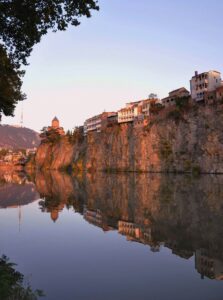
Avlabari is also home to Metekhi Church, dramatically positioned above the river, and Sameba Cathedral, the enormous Holy Trinity Cathedral.
For travellers who enjoy architecture and photography, this can be an excellent area to explore. Accommodation is often more affordable than in the most popular parts of the Old Town, and the views back towards Narikala can be beautiful.
Best for: Architecture lovers, photographers and travellers looking for a quieter alternative to the Old Town.
Keep in mind: You are on the other side of the river, so the Old Town is a short walk across the bridge rather than directly outside your door.
Local tip: Walk across the Peace Bridge after sunset. The illuminated bridge, river, and view towards the Old Town and Narikala make a great evening walk.
Where to Stay in Tbilisi: A Quick Guide
| Traveler Type | Best Neighbourhood | Why |
| First-time visitor (2–3 days) | Old Town or Sololaki | Maximum atmosphere, walking distance to all key sights |
| First-time visitor (5+ days) | Vera or Vake | Comfortable base, quieter, still very central |
| Budget traveler | Marjanishvili / Chugureti | Cheapest beds in the centre, great local food |
| Family with children | Vake | Green space, Vake Park, quieter streets |
| Architecture/photography | Sololaki or Avlabari | Best buildings, least crowds, most authentic texture |
| Foodie/wine lover | Vera or Vake | Best restaurants in the city concentrated here |
| Nightlife / social scene | Marjanishvili or Fabrika | Aghmashenebeli Avenue, bars, events, late-night energy |
| Business traveler | Rustaveli or Vake | Hotels, metro access, modern infrastructure |
Approximate accommodation prices in 2026
- Old Town: 80–250 GEL/night
- Sololaki: 70–180 GEL
- Vake: 120–300 GEL
- Marjanishvili: 50–100 GEL
- Avlabari: 50–120 GEL
Prices vary considerably depending on the season, hotel standard, and booking date, so use these only as a general guide.
Getting Around Tbilisi
Tbilisi is easy to navigate. The metro has two lines and covers the key central stops: Rustaveli, Liberty Square, Marjanishvili, Avlabari. Bolt and Yandex Go taxis are cheap, reliable, and work on your phone without any Georgian language skills. A ride across the central area costs 8-15 GEL.
- Metro: 1 GEL per journey – buy a Metromoney card at any station
- Taxi (Bolt / Yandex Go): 8-20 GEL across the centre – always use the app, never hail on the street
- Walking: Old Town to Rustaveli is 20-30 minutes; Old Town to Marjanishvili via the Dry Bridge is 15 minutes
- Funicular: departs from the Old Town base up to Mtatsminda – scenic and practical
| Exploring Beyond Tbilisi
Tbilisi is an excellent base for day trips and multi-day excursions: Kazbegi (3 hours), Kakheti wine region (1.5 hours), Mtskheta (30 minutes), Borjomi (2 hours). Renting a car is by far the best way to explore independently. Caucasus Trip offers car rental pickup in Tbilisi city and at Tbilisi International Airport, with drop-off options at Kutaisi center, Kutaisi International Airport, Batumi center, or Batumi International Airport. |
Browse car rental options from Tbilisi
Frequently Asked Questions
1. Which neighbourhood in Tbilisi is best for first-time visitors?
For a short first visit, we would look at the Old Town or Sololaki. Both put you close to the main sights and give you a good introduction to Tbilisi.
If you are staying for five days or more, Vera or Vake can be worth considering if you prefer a quieter base.
2. Is Tbilisi safe for tourists?
Tbilisi is generally considered a safe city for all visitors. As in any capital, it is sensible to take standard precautions, especially with valuables and when travelling late at night.
For getting around, app-based taxis such as Bolt are a convenient option.
3. How many days do you need in Tbilisi?
For the main sights, 2–3 days is a good starting point. You can visit the Old Town, Narikala, Abanotubani, Rustaveli Avenue, the National Museum, and Dry Bridge.
With around 5 days, you can explore the city at a slower pace and add a day trip such as Mtskheta or Kazbegi.
A week gives you more time to explore neighbourhoods such as Vera, Vake, Chugureti and Avlabari, rather than only following the main tourist route.
4. Is Tbilisi walkable?
Yes, particularly in the central areas.
The Old Town, Sololaki, Rustaveli, and Vera are all relatively easy to explore on foot. The main challenge is the hills—especially in Sololaki and Mtatsminda.
Vake and Marjanishvili are farther from the Old Town, but taxis make them easy to reach.
5. What is the best time to visit Tbilisi?
April to June and September to October are generally comfortable months for exploring the city, with pleasant temperatures and fewer summer crowds.
July and August can be very hot, with temperatures sometimes reaching 35°C or more, and the Old Town can become particularly busy.
Winter is colder, but it also gives you a quieter version of Tbilisi. The city’s cafés, wine bars and restaurants are especially enjoyable when the weather is cold outside.
6. Do I need cash in Tbilisi?
Cards are widely accepted in hotels, restaurants and shops, particularly in central Tbilisi.
Still, it is a good idea to carry some Georgian Lari. Small guesthouses, market stalls, and some traditional cafés may only accept cash.
ATMs are easy to find in the central areas.
Plan Your Tbilisi Trip
Tbilisi is easy to visit as a checklist of sights, but we think the city becomes much more interesting when you give yourself time to wander.
Have coffee in a quiet courtyard in Sololaki. Stop for Georgian wine in Chugureti. Walk along the river after sunset. Take the funicular up Mtatsminda. Or simply turn down a street that looks interesting and see where it takes you.
The neighbourhood you choose can change the whole feel of your stay, so think about what kind of Tbilisi you want to experience—not just which attractions you want to see.
And don’t worry about seeing everything. Tbilisi is a city that rewards getting a little lost.
Explore Georgia tours with Caucasus Trip
Rent a car to explore beyond Tbilisi
Contact us for a tailor-made Georgia itinerary
About Caucasus Trip
Caucasus Trip is a family-run travel agency based in Tbilisi, Georgia, specializing in private tours, car rentals, and tailor-made experiences across Georgia, Armenia, and Azerbaijan.

Comment (0)