from 0 review
3 days, 2 nights
Daily Tour
1 person
English, Spanish
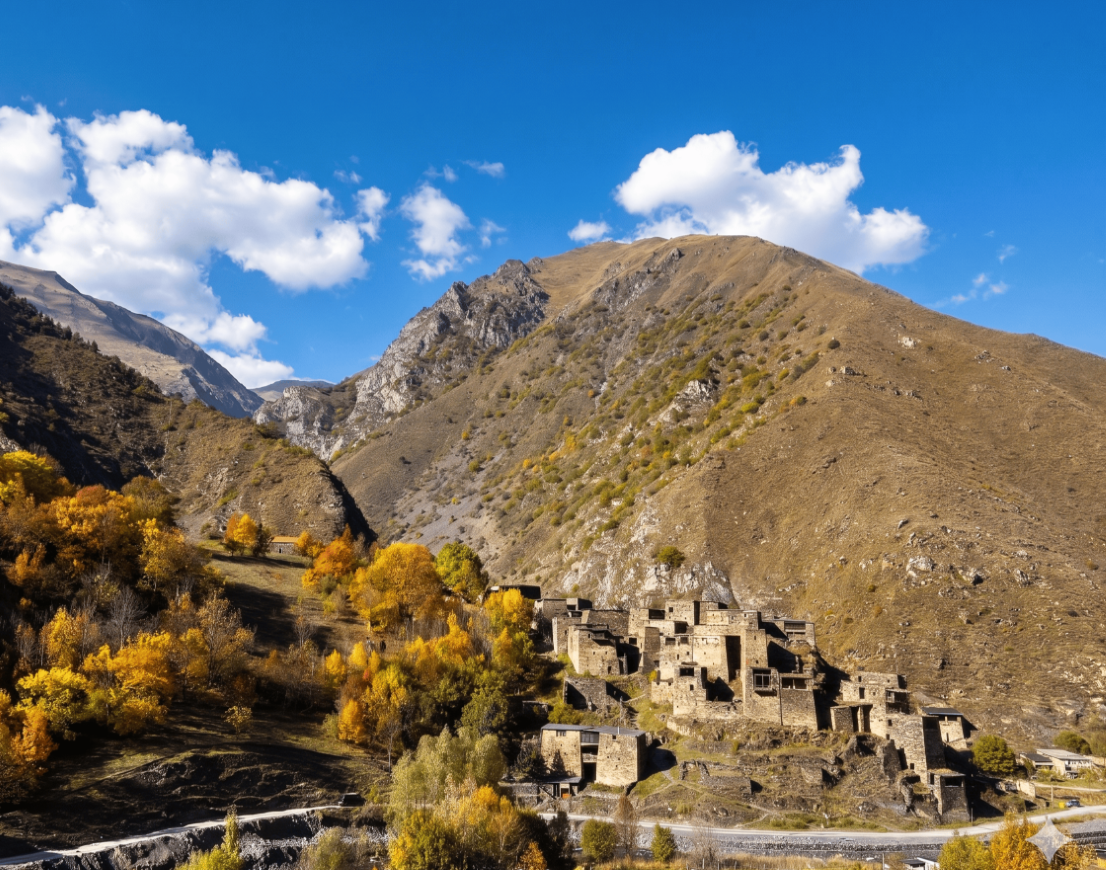
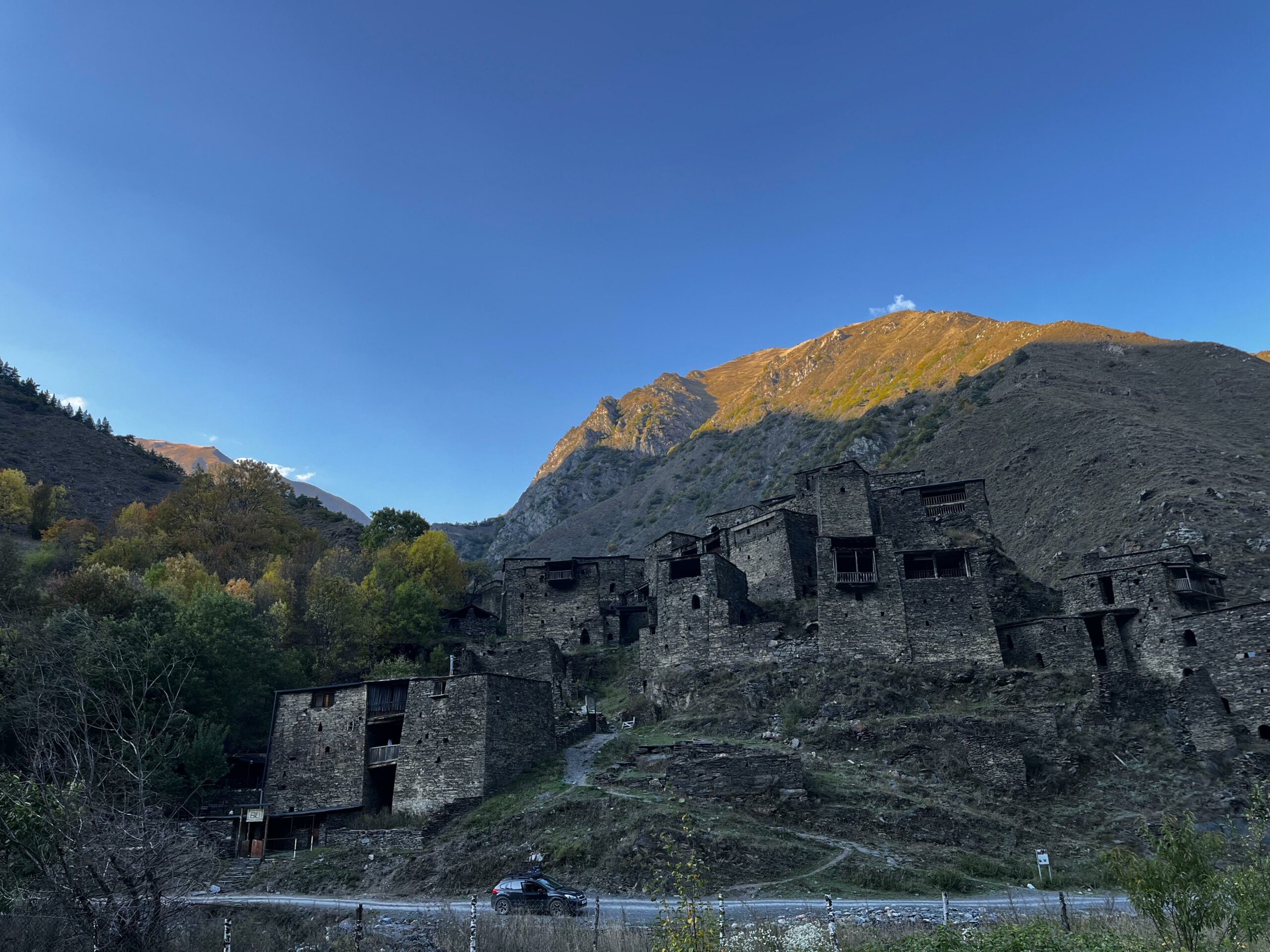
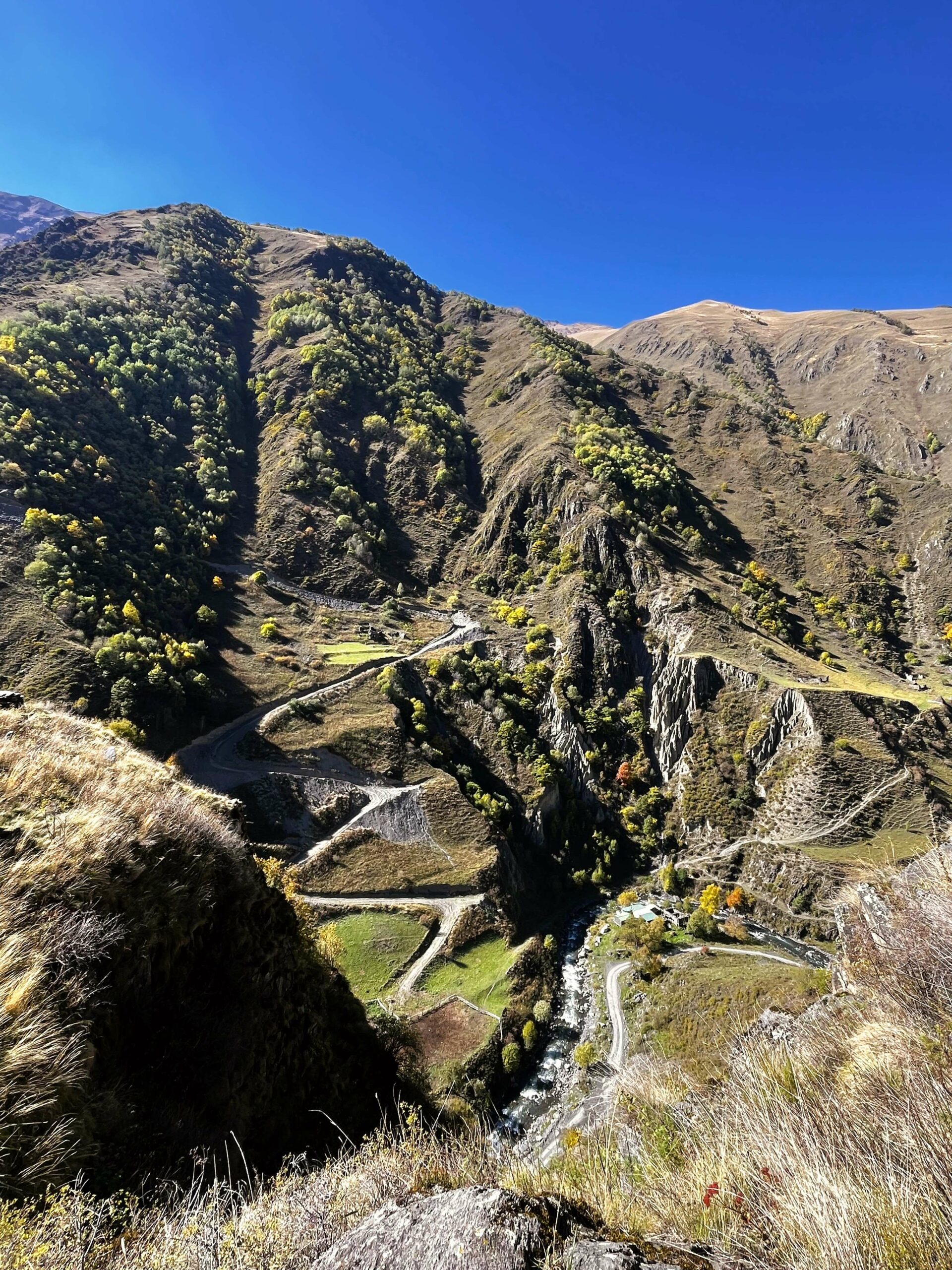
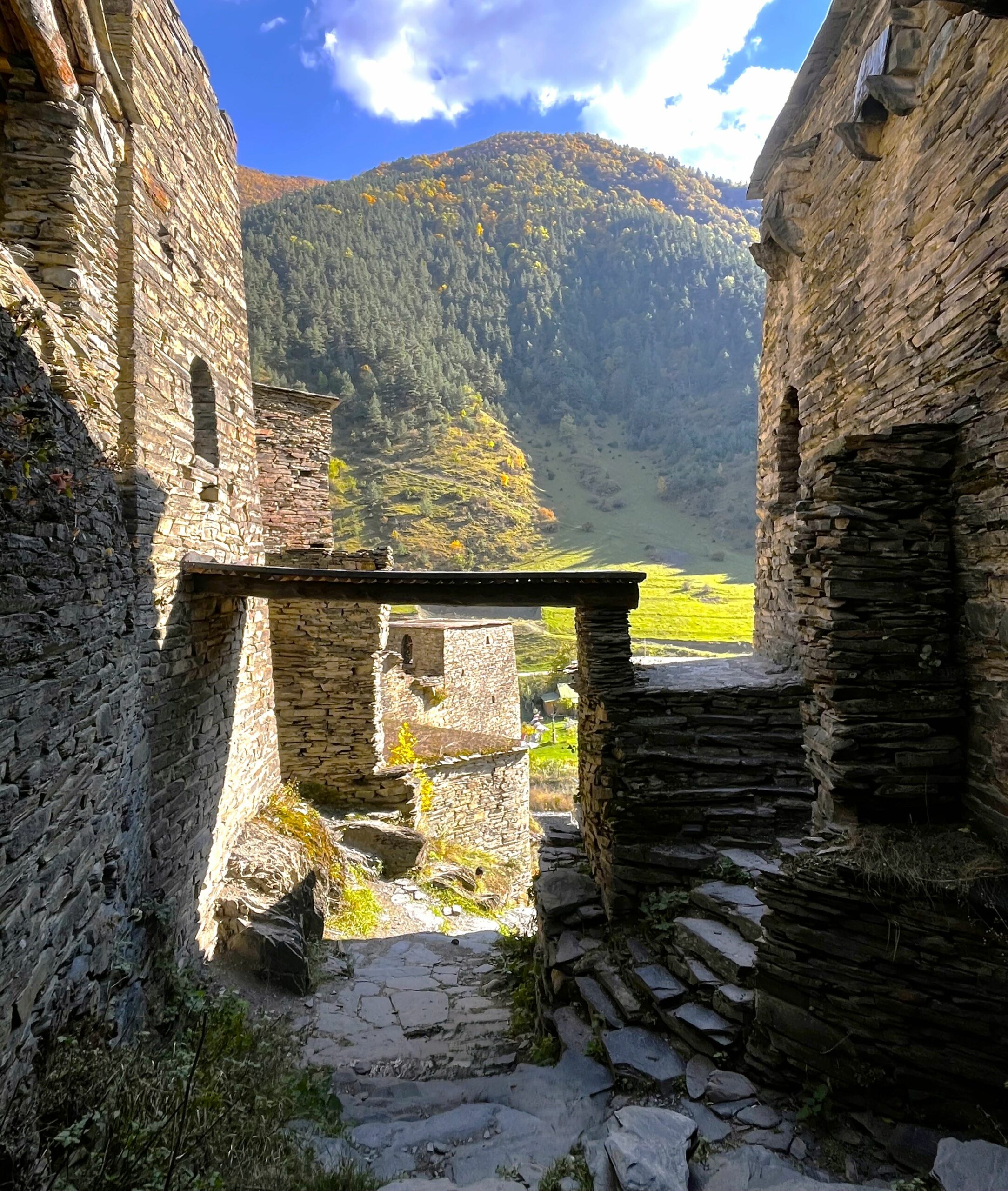
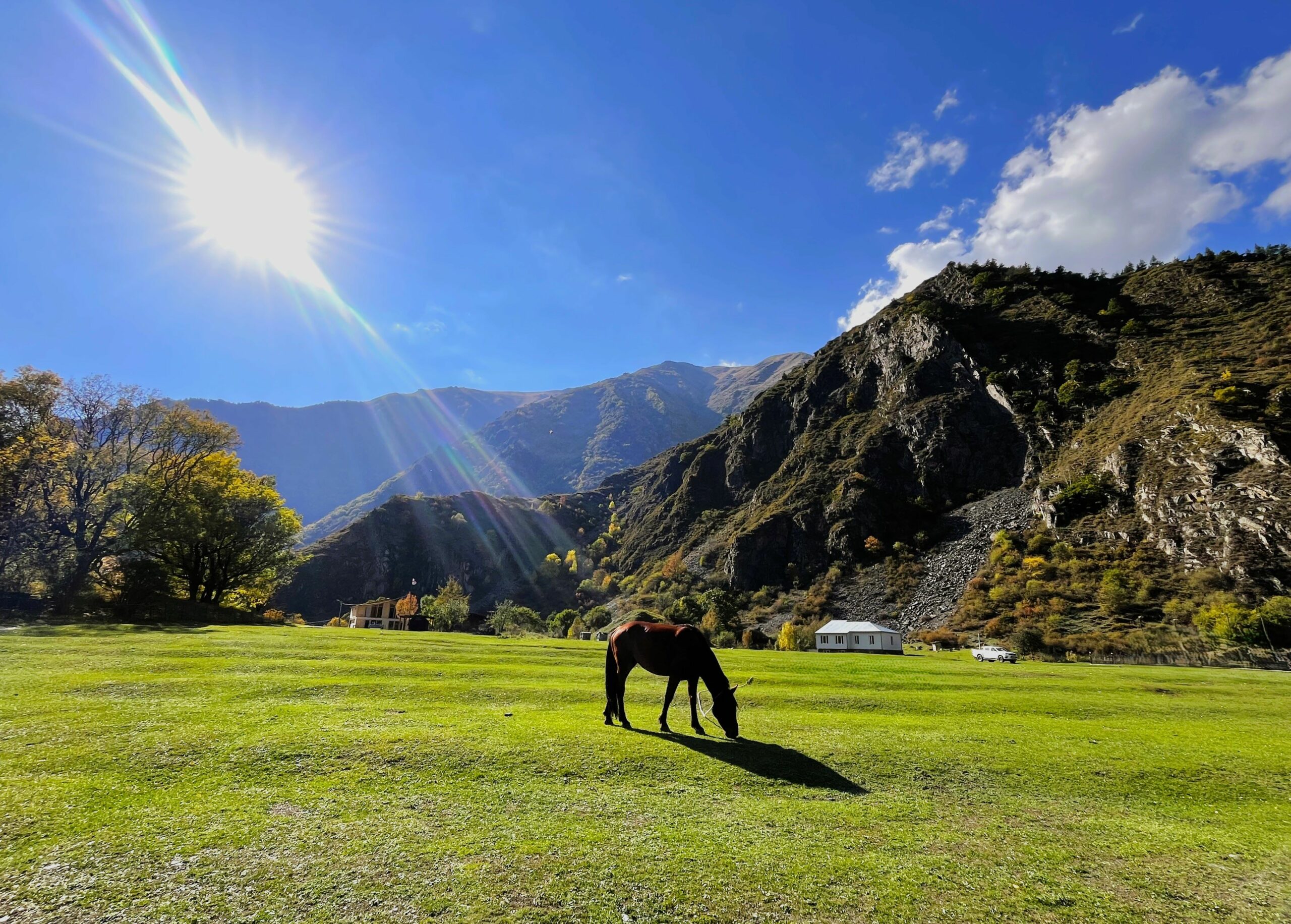
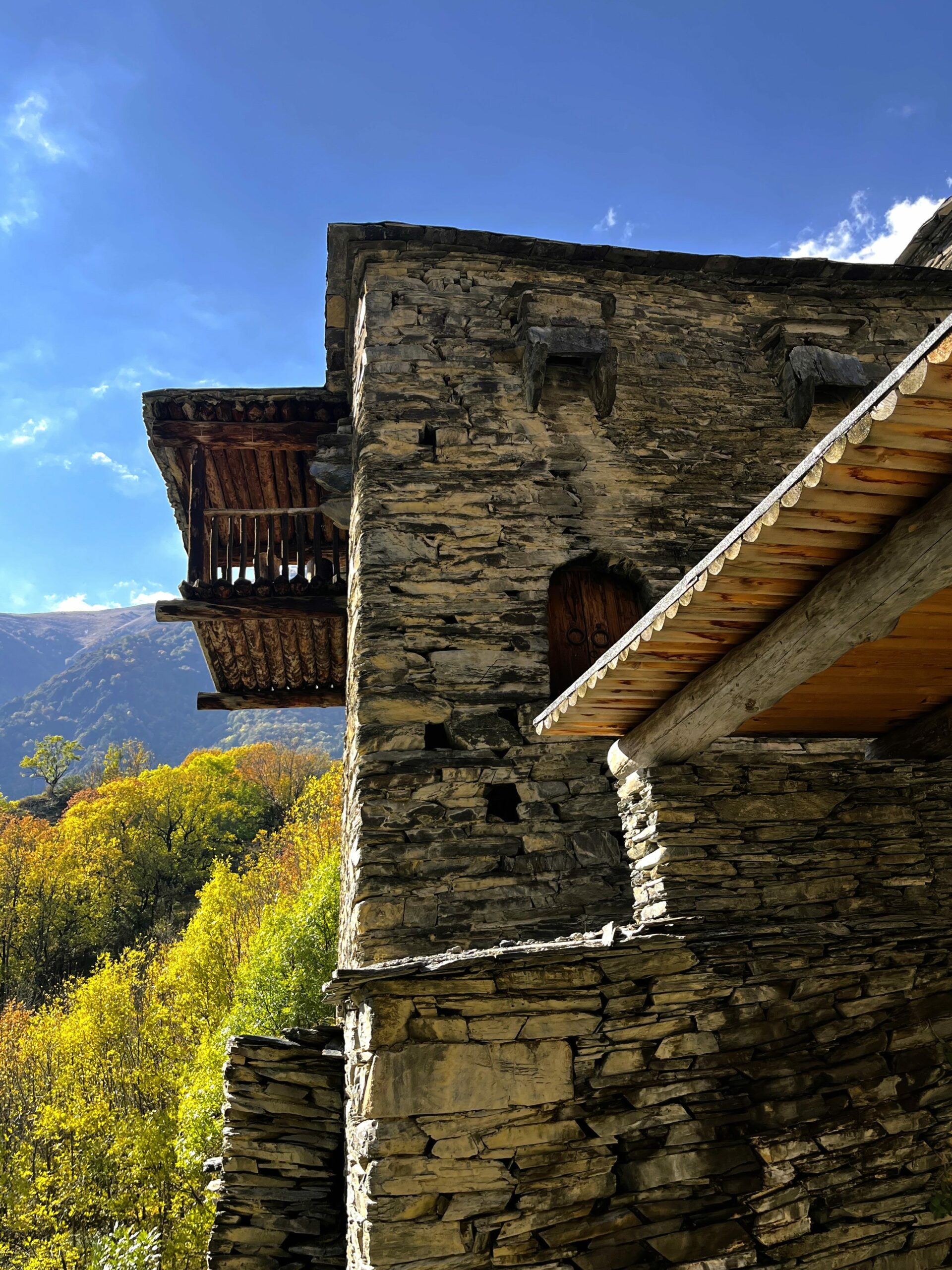
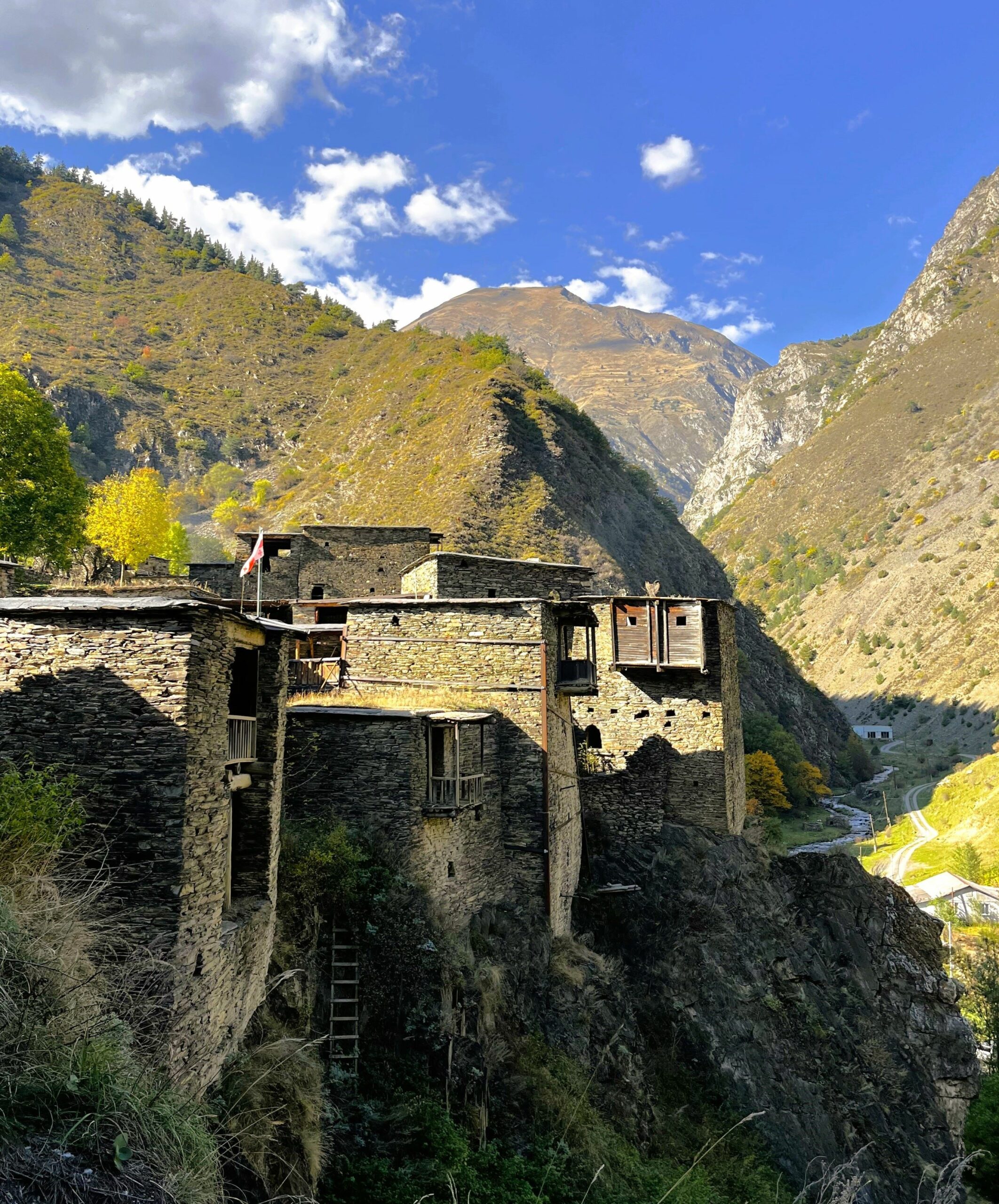
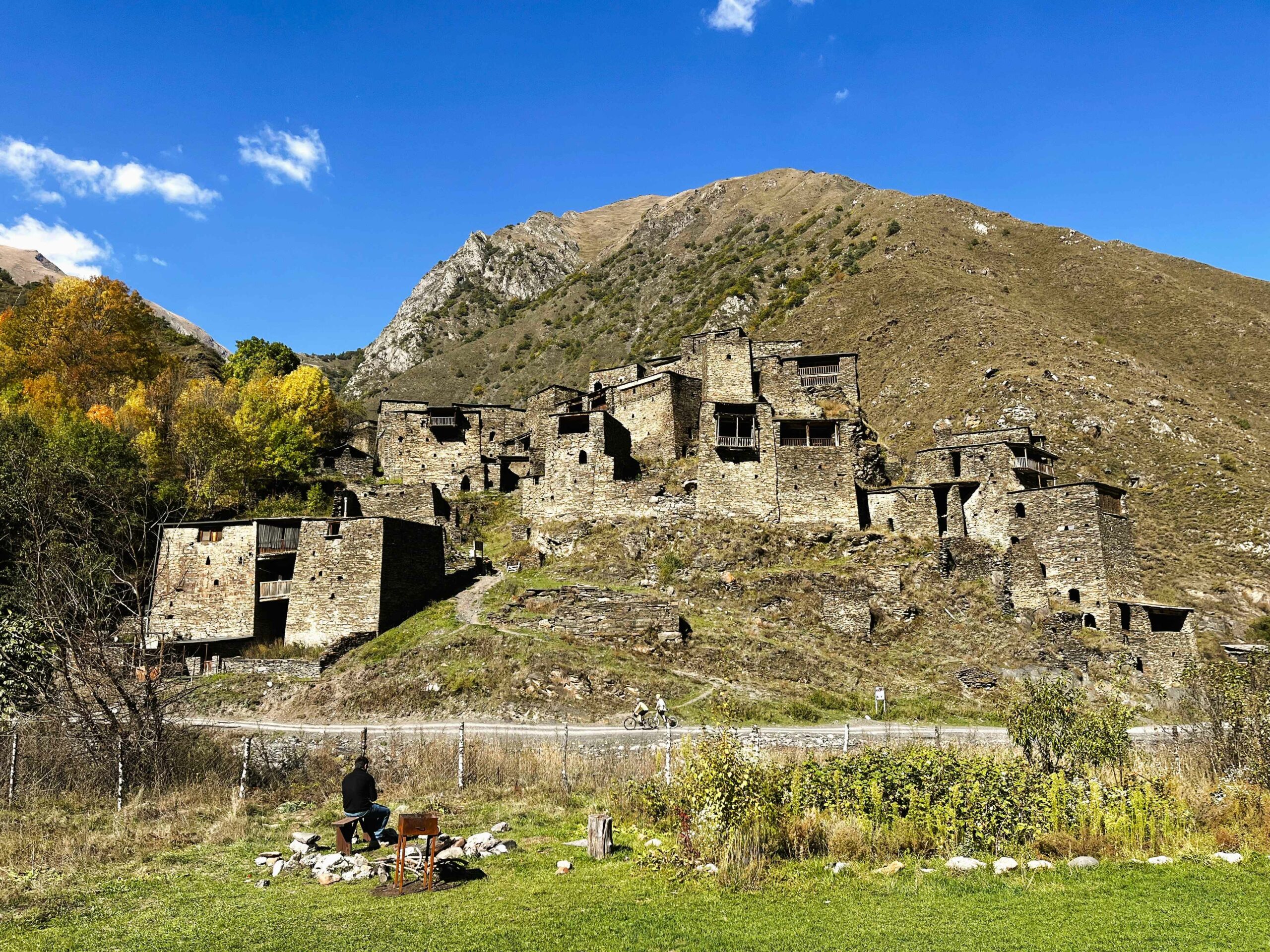
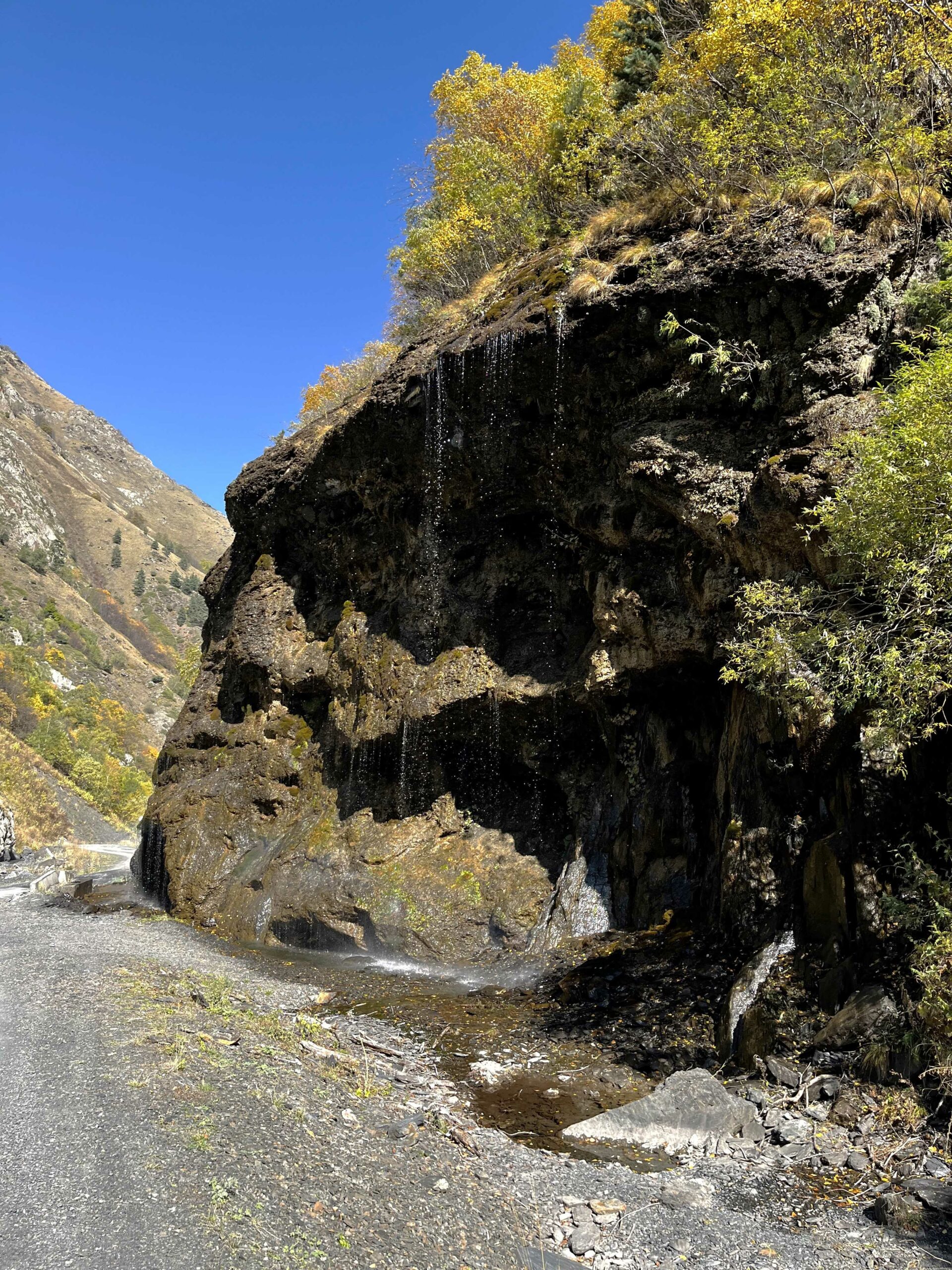
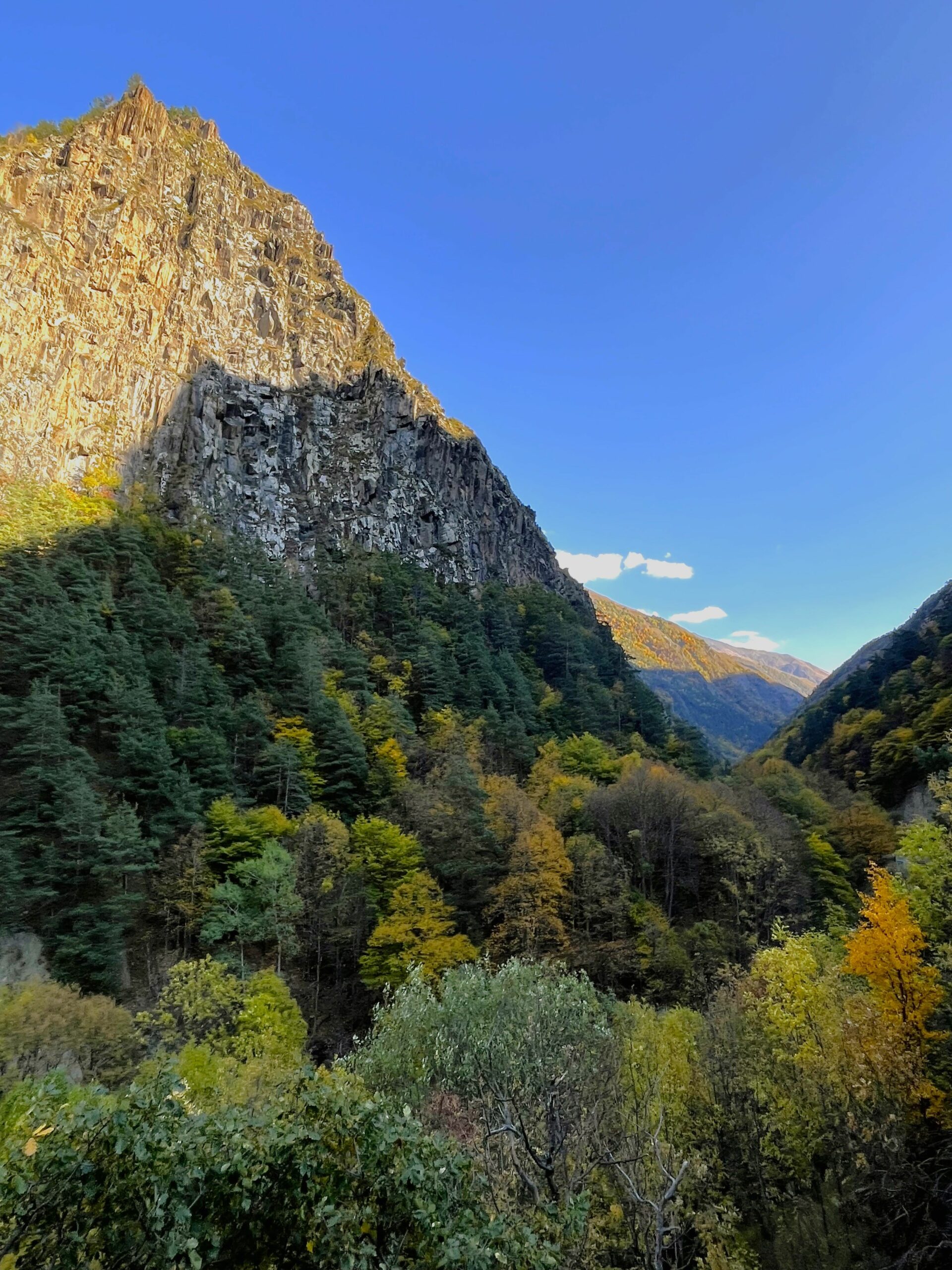
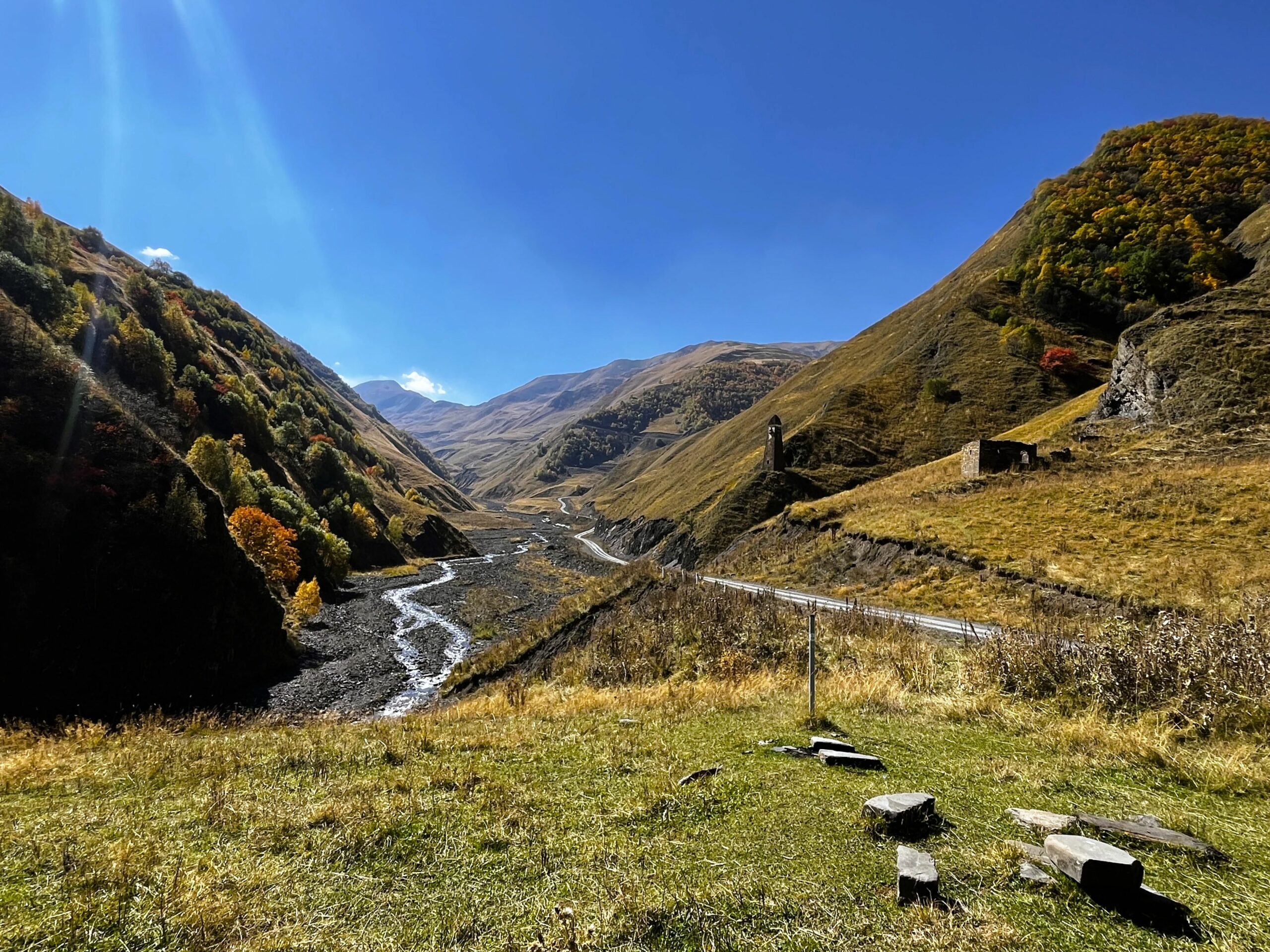
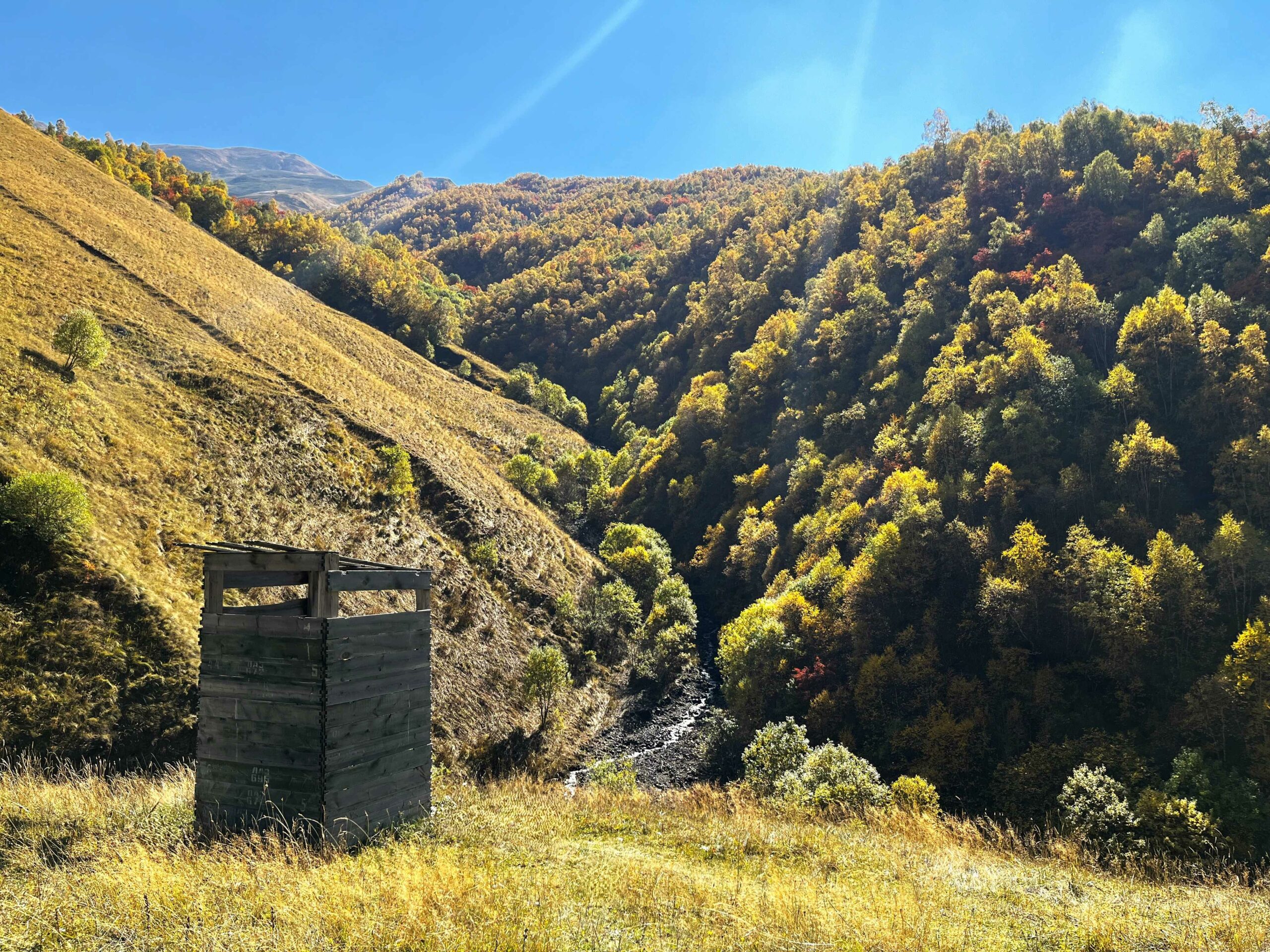
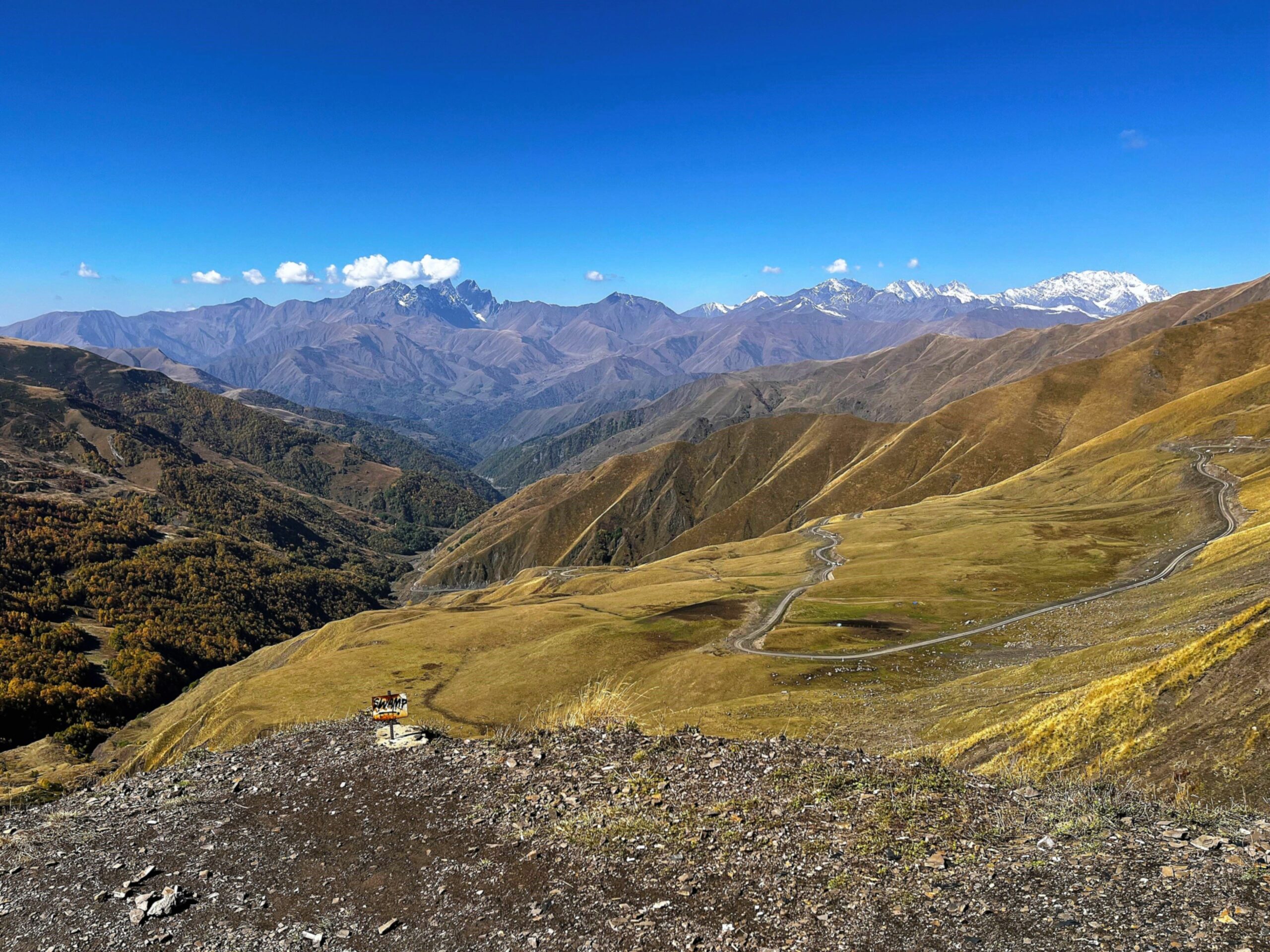
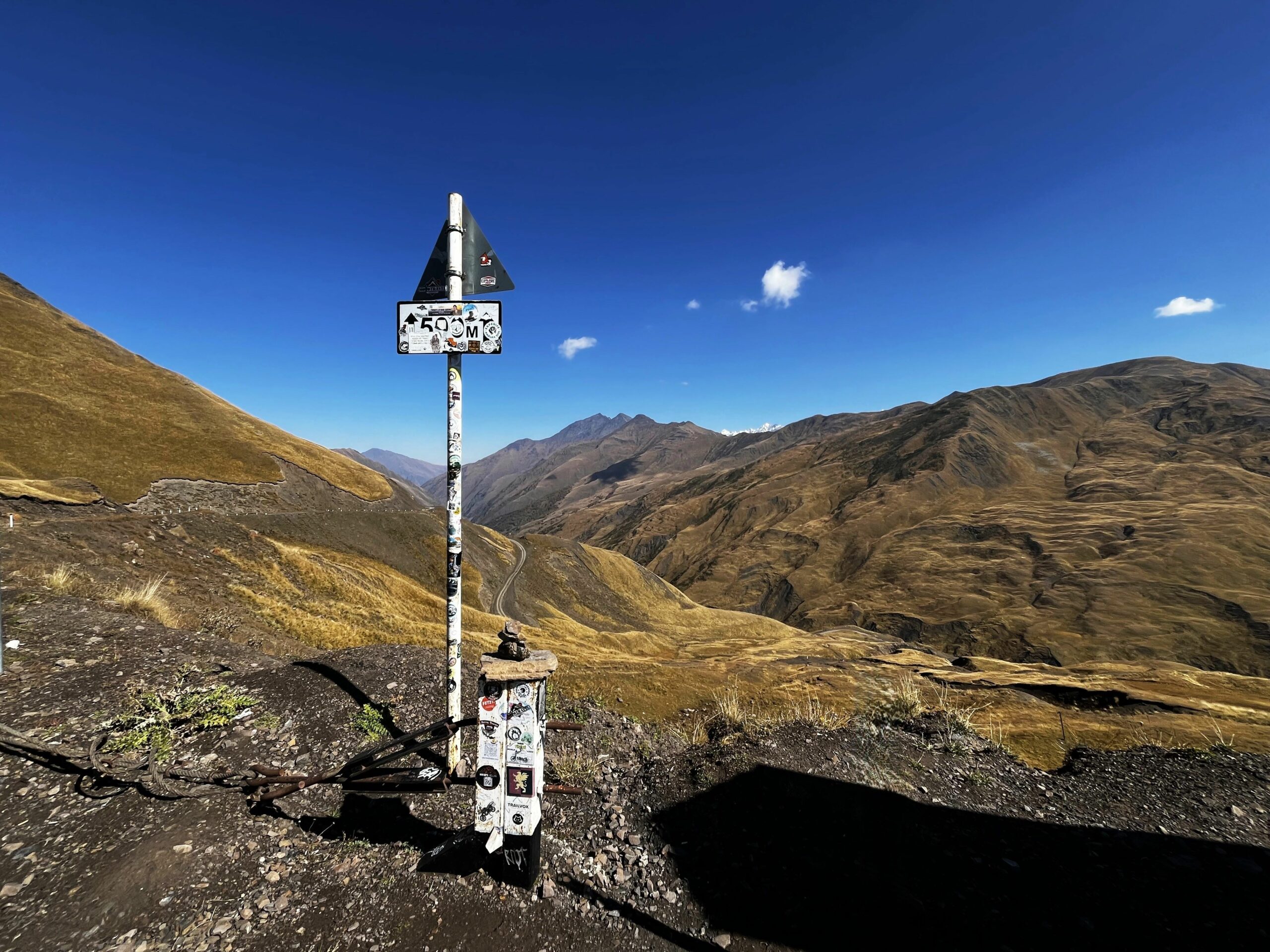
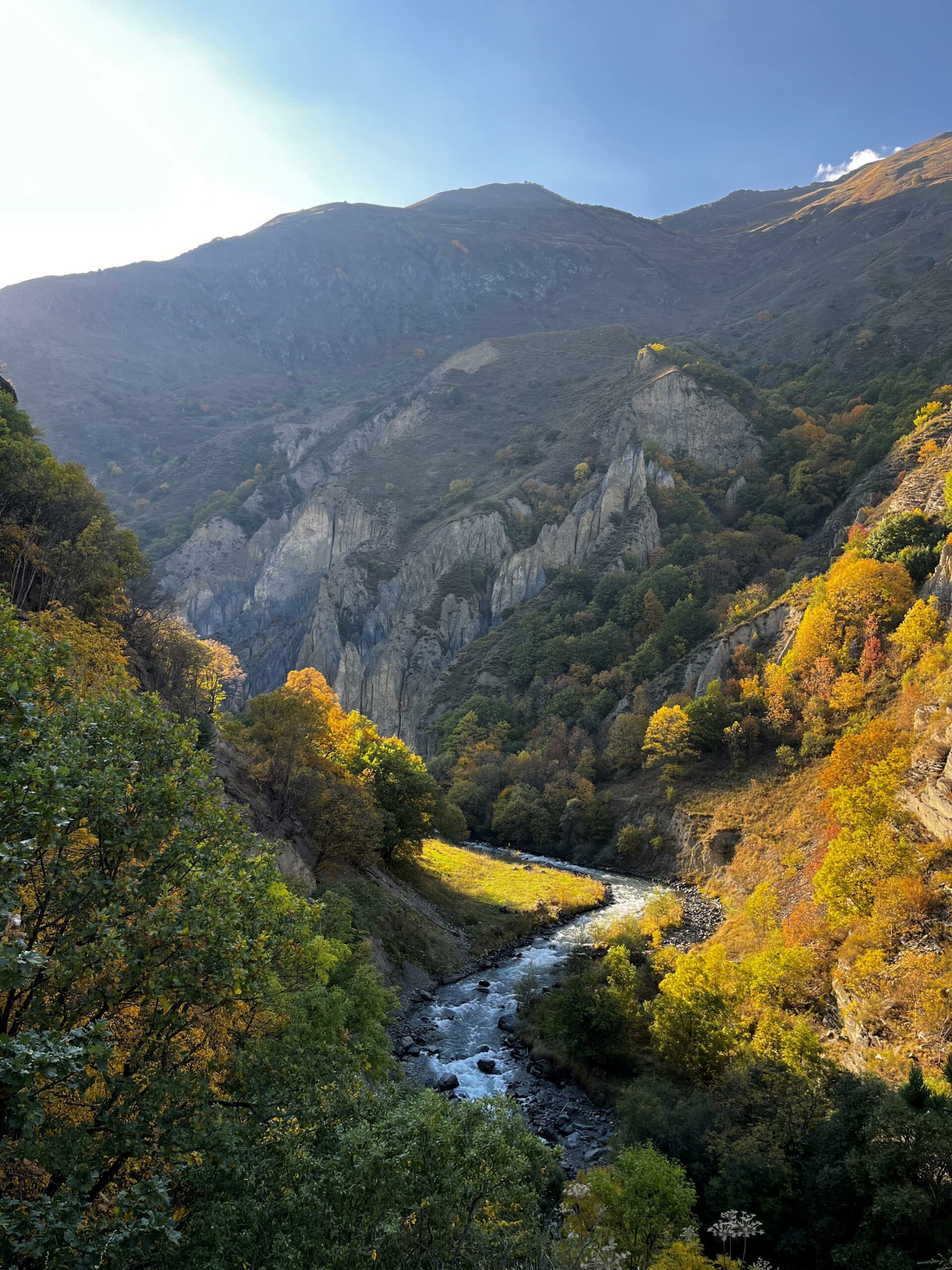
Escape the city and journey along rugged mountain roads into the heart of the Greater Caucasus, crossing the scenic Datvisjvari Pass and stopping at the turquoise Zhinvali Reservoir.
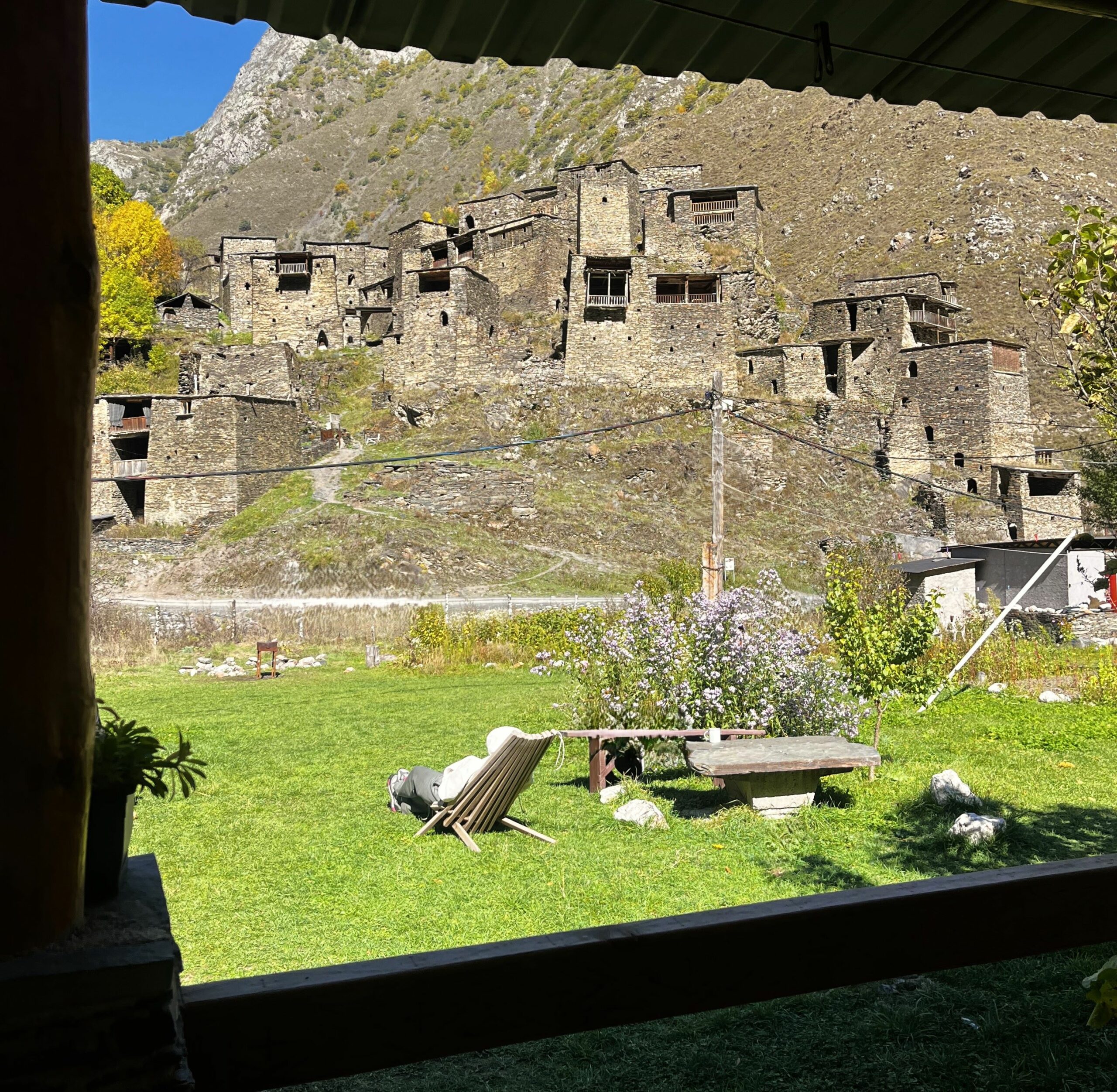
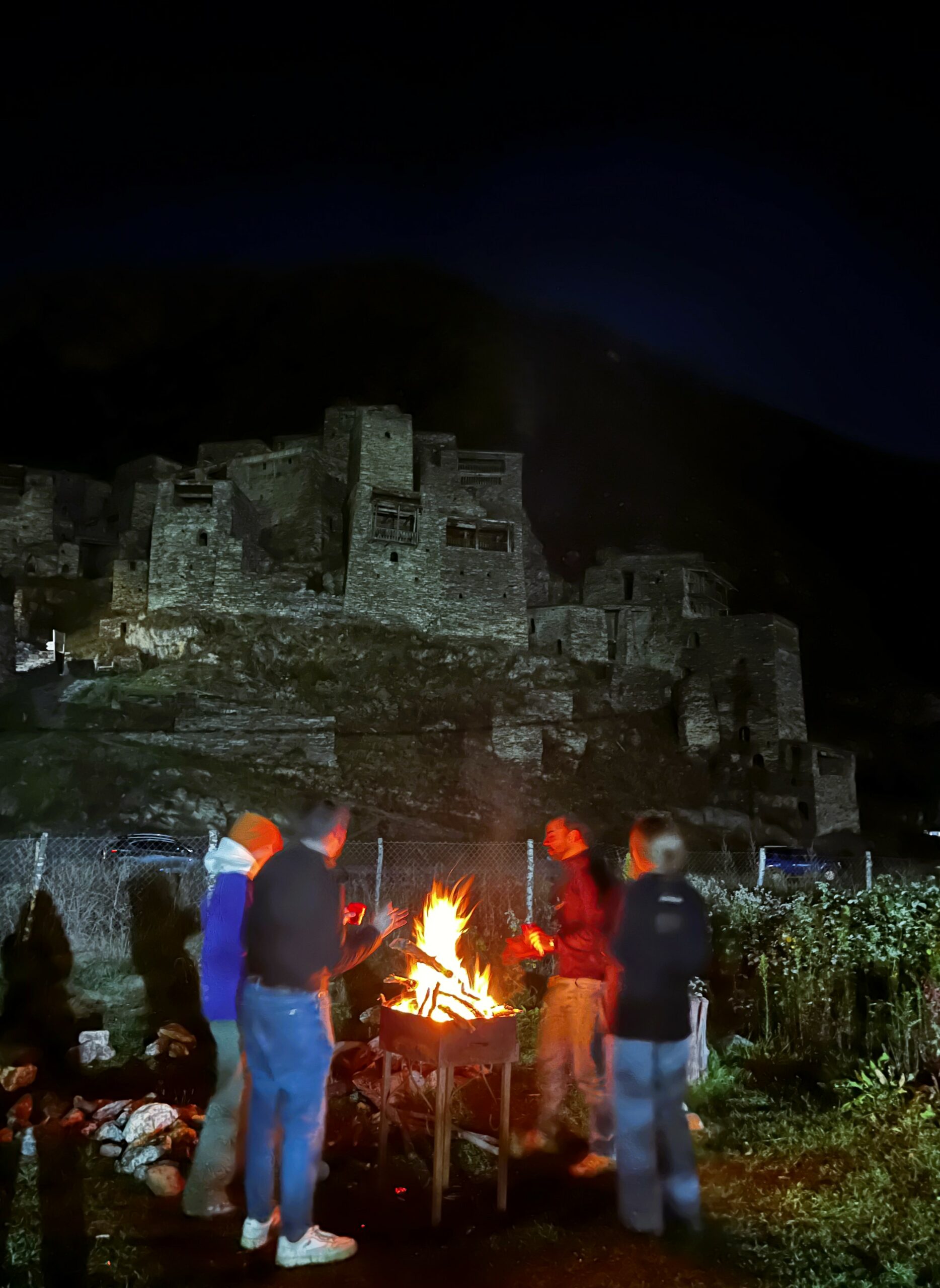
Explore the medieval fortress village of Shatili. This is not a typical village; it’s a fortress settlement, a cluster of stone towers built together for defense. It feels like stepping into the Middle Ages. The mountains become remarkably silent as the sun sets and the towers sparkle in warm light. Along the way, enjoy breathtaking, truly unique mountain views, experience unforgettable sunsets over the Caucasus, and the rare silence that follows in this untouched region.
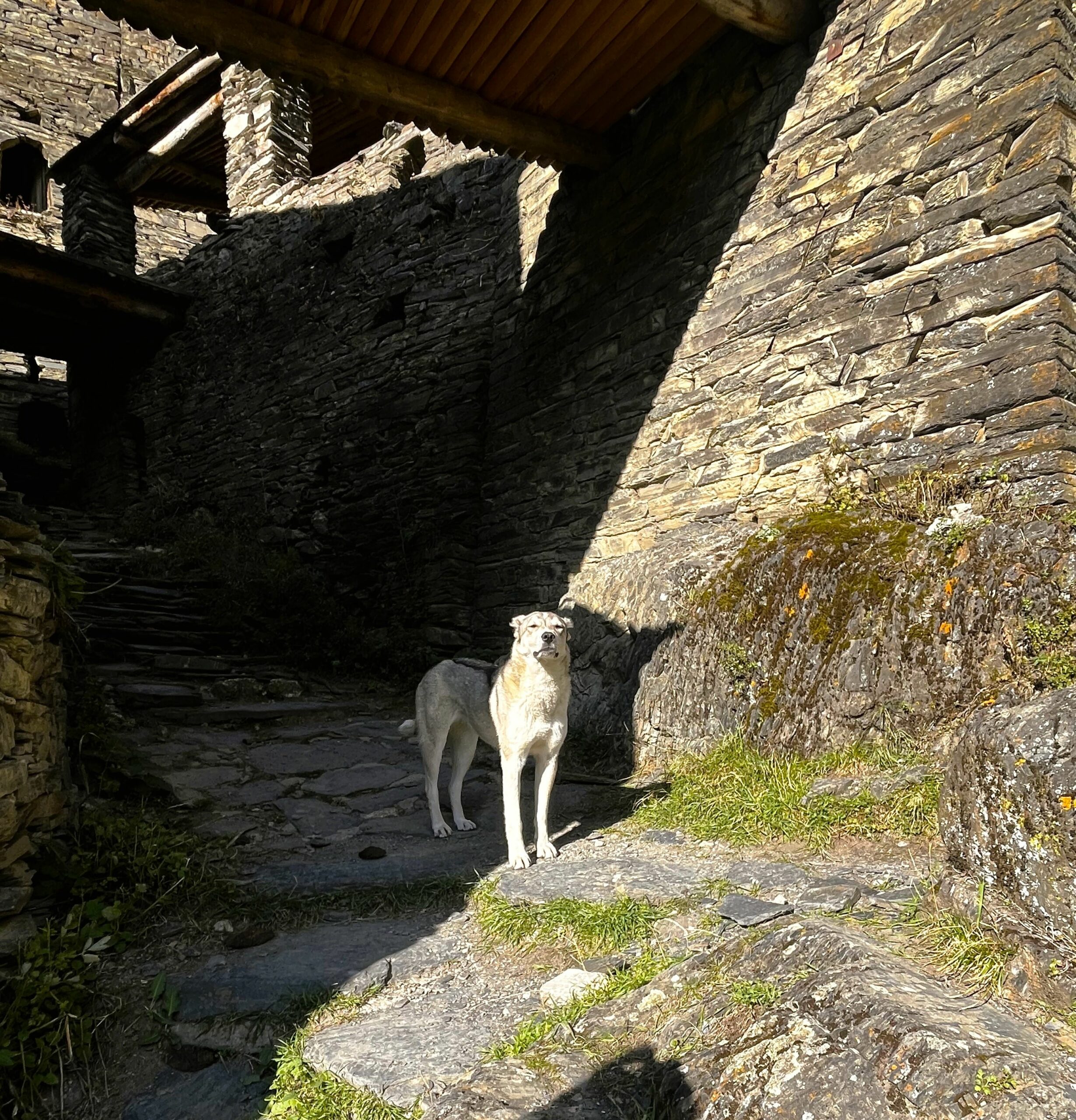
Visit the haunting Anatori Necropolis. This small stone burial complex tells a haunting story. During a plague outbreak, infected villagers isolated themselves here to prevent the spread of the disease. Inside the crypts, you can still see human remains. It’s quiet, eerie, and deeply moving—a place that makes history feel very real.
Hike to the dramatic mountain settlement of Mutso. Mutso sits dramatically on a rocky hill, overlooking the valley. The walk up takes about 20–40 minutes, depending on your pace. As you climb, the fortress slowly reveals itself—stone towers rising from the mountain, blending perfectly with the landscape.
As the birthplace of Khinkali, Khevsureti offers the chance to taste authentic, locally made khinkali—one of the highlights of the journey. It’s the same but different Khinkali that you tasted before.
You will stay the night at a local guesthouse, either inside one of the intriguing Shatili towers or with a stunning view of them. In the guesthouse, the local host will welcome you with a delicious homemade breakfast and dinner prepared from fresh, locally sourced organic products. Expect simple but rich flavors that reflect the traditions of mountain life—fresh bread, local cheese, eggs, seasonal vegetables, and homemade preserves, all carefully prepared with care and authenticity.
As the morning begins, you can enjoy your coffee slowly, taking in the peaceful atmosphere and the breathtaking surroundings. This is not just breakfast—it is a moment to pause, relax, and fully connect with the environment. Watching the light change over the mountains while enjoying a warm cup of coffee and a traditional homemade meal is something truly memorable.
Staying in the guesthouse offers a rare opportunity to experience genuine Georgian hospitality in one of the most remote and beautiful regions of the country. The combination of local food, warm hosting, and extraordinary scenery makes this experience something truly worth doing and remembering long after the journey ends.
As a local, family-run business, we at Caucasus Trip are committed to showcasing the true beauty of the region. By joining this 3-Day Shatili and Mutso Tour from Tbilisi, you also support small local businesses in the highlands, where tourism plays an important role. This means you’ll experience genuine hospitality and a truly authentic connection to mountain life.
What Makes our 3-Day Shatili and Mutso Tour Special
This isn’t just sightseeing—it’s a journey into:
The combination of extreme mountain roads, ancient architecture, and deep silence is what makes Shatili unforgettable.
Why our route works
Prices Per Person (USD)
| N of passengers | Local Guesthouse | ||
| 1 | 860 | ||
| 2 | 510 | ||
| 3 | 415 | ||
| 4 | 350 |
Your journey begins early in Tbilisi, after picking up from the hotel. The first major stop is the stunning Zhinvali Reservoir, with unreal shade of turquoise and surrounded by forested mountains. The experience really begins at this point, as the road starts to climb. As you ascend toward Datvisjvari Pass (over 2,600 meters), the scenery transforms dramatically. Alpine meadows replace forests, that give rugged mountain landscapes. Stop multiple times for photos, fresh air, and simply to take in the scale of the Caucasus Mountains. Descending from the pass, you enter Khevsureti, one of Georgia’s most isolated and culturally unique regions. Villages like Lebaiskari and Kistani appear almost frozen in time—stone houses, grazing animals, and very few people. You reach Shatili in the late afternoon or early evening. This is not a typical village, it’s a fortress settlement, a cluster of stone towers built together for defense. It feels like stepping into the Middle Ages. The mountains become remarkably silent as the sun sets and the towers sparkle in warm light. You will stay the night at a local guesthouse, either inside one of the intriguing Shatili towers or with a stunning view of them. Expect simple but hearty food—homemade bread, cheese, and delicious locally made Khinkali.
This is the heart of your trip, the day where you truly experience Khevsureti. You start the morning slowly in Shatili, walking through its narrow stone pathways. Climb some of the towers if accessible, explore the interconnected structures, and imagine life here centuries ago when this was a defensive stronghold. After breakfast, you head toward one of the most unusual sites in Georgia: Anatori Necropolis. This small stone burial complex tells a haunting story. During a plague outbreak, infected villagers isolated themselves here to prevent spreading the disease. Inside the crypts, you can still see human remains. It’s quiet, eerie, and deeply moving—a place that makes history feel very real. Next comes a short drive and then a hike to Mutso Fortress. Mutso sits dramatically on a rocky hill, overlooking the valley. The walk up takes about 20–40 minutes, depending on your pace. As you climb, the fortress slowly reveals itself—stone towers rising from the mountain, blending perfectly with the landscape. At the top, the view is breathtaking. Snow-capped peaks, deep valleys, and absolute silence. Mutso feels even more remote than Shatili—wilder, less restored, rawer. If time and energy allow, continue toward Ardoti, a nearly abandoned village with a few families still living traditionally. It offers a glimpse into everyday life in extreme isolation—something increasingly rare. You return to Shatili by nightfall. Don't pass up the opportunity to savor more delectable home-cooked meals.
Savor your final morning in Shatili with a cup of tea or coffee. Taking one final stroll is also worthwhile because these are the moments you’ll remember. Drive back to Tbilisi. Crossing Datvisjvari Pass feels familiar now, almost like saying farewell to the mountains. Descending toward civilization, you return to the Zhinvali Reservoir for a final break—this time with a sense of contrast between the wild isolation of Khevsureti and the more accessible parts of Georgia. On the way, you will have one last opportunity to taste the delectable Khinkali in its home region while traveling. Return to Tbilisi by late afternoon or evening, and drop off at your hotel.
Please fill out the Inquiry form on the right side of each tour page with your preferred dates, number of passengers, or any additional information, and our operator will contact you shortly.
We offer flexible payment options. Our tour operator will assist you in choosing the payment method that best suits your needs.
The best time to visit Shatili is from June to October. During these months, the weather is mild and pleasant, the mountain roads are accessible, and the stunning landscape is at its most beautiful. The summer months (June–August) offer warm temperatures ideal for hiking and exploring the medieval fortress village, while September and October bring spectacular autumn foliage that paints the surrounding valleys in vivid shades of gold and red. Outside this window, heavy snowfall can make the roads leading to Shatili impassable, so visiting during this period ensures a safe and enjoyable experience.

Leave a review